Common problems with apartment cleaning in Hammersmith
Posted on 01/08/2026

Apartment cleaning in Hammersmith can look straightforward from the outside. In practice, it often turns into a mix of tight layouts, shared access issues, awkward schedules, and cleaning standards that are harder to meet than people expect. If you live in a compact flat near King Street, a riverside apartment, or a converted Victorian building tucked behind the main roads, you will know the feeling: the place looks tidy enough until you start moving furniture, spotting dust in the corners, or trying to get a proper result in barely any storage space.
This guide breaks down the common problems with apartment cleaning in Hammersmith, why they happen, and what to do about them. It is written for tenants, landlords, homeowners, and anyone trying to get a better result without wasting time or money. Along the way, we will cover realistic cleaning challenges, useful best practices, and a few local considerations that matter more than people think.
Why common apartment cleaning problems matter in Hammersmith
Let's face it: a poor clean in an apartment is usually more noticeable than in a bigger house. There is less room to hide things. A dusty skirting board, a greasy hob, or a streaky shower screen can make the whole place feel neglected. In Hammersmith, that matters for everyday comfort, but it also matters for letting inspections, move-out checks, and property presentation.
Many local flats have the kind of layout that makes cleaning deceptively awkward. You might have narrow hallways, fitted furniture, no utility room, or a bathroom squeezed into a corner that only just fits the sink. Add the usual London realities - limited parking, shared entrances, lifts that are a bit temperamental, and neighbours who do not love noise at 8 a.m. - and cleaning quickly becomes more than a basic household task.
For landlords and agents, standards matter because a flat that has not been cleaned properly can sit on the market longer or trigger avoidable complaints. For tenants, the problem is often different: a rushed clean can lead to deposit disputes or the frustration of moving into a space that should have been ready, but clearly was not. If you want a broader picture of local life and property pressures, the piece on whether Hammersmith is worth it gives useful context.
Expert summary: apartment cleaning in Hammersmith fails most often not because people do not care, but because the space, timing, access, and expectations are all working against them. The trick is to plan for those realities instead of pretending they do not exist.
How apartment cleaning usually works in practice
Apartment cleaning works best when it is treated as a sequence rather than a quick blitz. First, the cleaner assesses the space: number of rooms, surface types, condition, and any problem areas such as limescale, pet hair, or heavy foot traffic. Then they decide the order of work. In a small flat, that order matters more than people expect. Clean the bathroom too early and dust from the bedroom may drift back in. Vacuum too soon and crumbs from the kitchen floor end up everywhere again. Annoying, but true.
In Hammersmith apartments, the work often involves a combination of general domestic cleaning and more focused tasks. That could mean:
- dusting high and low surfaces in a compact room;
- cleaning kitchen splash zones where cooking grease builds up quickly;
- dealing with bathroom moisture and mould-prone corners;
- lifting visible dirt from carpets, rugs, or upholstery;
- working around furniture that cannot easily be moved;
- managing access, parking, and timing around building rules.
If the property is being prepared for a change of tenancy, the process becomes more exacting. End-of-tenancy cleaning usually includes deeper attention to ovens, inside cupboards, limescale, window edges, and fixtures. For readers dealing with that sort of handover, end of tenancy cleaning in Hammersmith is closely related to the issues discussed here.
The main point is simple: apartment cleaning only looks easy until the detail work starts. That is where problems appear, especially in compact local properties.
Key benefits and practical advantages
Once apartment cleaning is done well, the benefits are immediate. The flat feels lighter, smells fresher, and becomes easier to maintain. But there are also less obvious advantages that people often miss at first.
- Better day-to-day living: a cleaner apartment is easier to relax in, plain and simple.
- Less long-term buildup: regular attention stops grease, dust, soap scum, and limescale becoming bigger jobs later.
- Lower inspection stress: if you rent, a well-kept flat tends to cause fewer headaches when checks come round.
- Improved property value presentation: good cleaning supports viewings, photos, and move-in readiness.
- More predictable maintenance: when cleaning is routine, repairs and wear become easier to spot early.
There is also a practical benefit for busy households. In Hammersmith, where people often juggle long commutes, family life, and varying work patterns, the right cleaning approach can save a lot of mental clutter. You notice it most on a Monday morning: fewer crumbs underfoot, fewer "I must deal with that later" moments, and a bit more breathing room.
If you are comparing different cleaning needs across rooms and materials, it can help to read around specialist services too. For example, carpeted apartments often need a different approach from hard-floor flats, and upholstery can hold dust even when the rest of the space looks clean. The local guides on carpet cleaning in W6 and upholstery cleaning in Hammersmith are useful companions to this topic.
Who this is for and when it makes sense
This topic matters to a wider group than people often assume. It is not just for tenants at the end of a lease. In fact, the same cleaning problems show up in lots of different situations.
- Tenants who want to keep their flat presentable and avoid messy disputes later.
- Landlords who need apartments turned over quickly and consistently.
- Homeowners who are trying to maintain a compact property without letting grime build up.
- Property managers responsible for standardising cleaning across multiple units.
- Flat sharers who know that "we'll do it this weekend" often means "not this weekend either".
It also makes sense when you are dealing with a short-notice situation. Guests arriving, a tenancy ending, a post-party mess, or a busy period when routine chores have slipped. If you are in that boat, what to expect from same-day cleaning in Hammersmith is worth a look because fast turnarounds come with their own challenges.
One small but important note: if the apartment has been neglected for a while, a regular domestic clean may not be enough on its own. You may need a deeper reset first, then a lighter maintenance schedule after that. That is usually the smarter move, even if it feels like the slower one at the start.
Step-by-step guidance for handling apartment cleaning issues
If you want to reduce the common problems with apartment cleaning in Hammersmith, a simple process helps more than a vague plan. Here is a practical way to approach it.
- Walk the flat room by room. Look for the real problem areas rather than the obvious ones. Behind taps, under radiators, around bin areas, and inside cupboard corners are the usual culprits.
- Decide what needs deep cleaning and what needs maintenance. A streaky mirror is maintenance. Baked-on oven residue is a deep-clean issue. Treat them differently.
- Check access before the job starts. Entry codes, parking, lift access, and building quiet hours matter. Miss these and the whole job can wobble before it begins.
- Use the right tools for the material. Microfibre cloths, non-abrasive pads, and suitable cleaners will protect surfaces better than a one-size-fits-all approach.
- Work from top to bottom. Dust falls. Clean high surfaces before low ones and save floors for near the end.
- Inspect the finish under normal light. Natural daylight from a window often reveals streaks or missed grime that artificial light hides.
- Set a repeat schedule. Weekly, fortnightly, or monthly maintenance is easier than allowing the place to slide again.
That sounds very tidy on paper. In real life, you may have to adjust. A tiny bathroom can take longer than a larger room because every inch is awkward. A kitchen with a lot of gloss surfaces may look clean for five minutes and then show fingerprints again. Still, the sequence holds up well if you stick to it.
Expert tips for better results
Here is where the small wins make a big difference.
1. Clean the problem rooms more often than the easy rooms. Kitchens and bathrooms in apartment homes tend to deteriorate faster. They are also the rooms most likely to cause complaints if they are left too long.
2. Use a "short list" for every visit. In smaller flats, there is no need to reinvent the wheel each time. A fixed list for sinks, taps, mirrors, floors, handles, and visible dust usually keeps standards consistent.
3. Watch for hidden moisture. Around shower seals, under sink cupboards, and behind toilets, moisture can sit quietly until it becomes a real issue. You do not want that musty smell creeping in by Thursday afternoon.
4. Don't ignore soft furnishings. Sofas, cushions, and mattresses collect fine dust and everyday debris. If the apartment looks clean but still feels tired, upholstery may be the reason.
5. Communicate clearly if someone else is cleaning for you. The phrase "just give it a good clean" is famously unhelpful. Better to say what matters most: oven, bathroom limescale, hallway marks, carpets, or a move-out standard.
6. Keep a realistic timeline. A rushed clean often creates more problems than it solves. If you only have a short window before handover or guests, prioritise visible and high-touch areas first.
And yes, sometimes the smart move is to bring in a professional cleaner rather than trying to battle a whole flat after work with one tired sponge. We have all been there, staring at a shower screen like it has personally offended us.
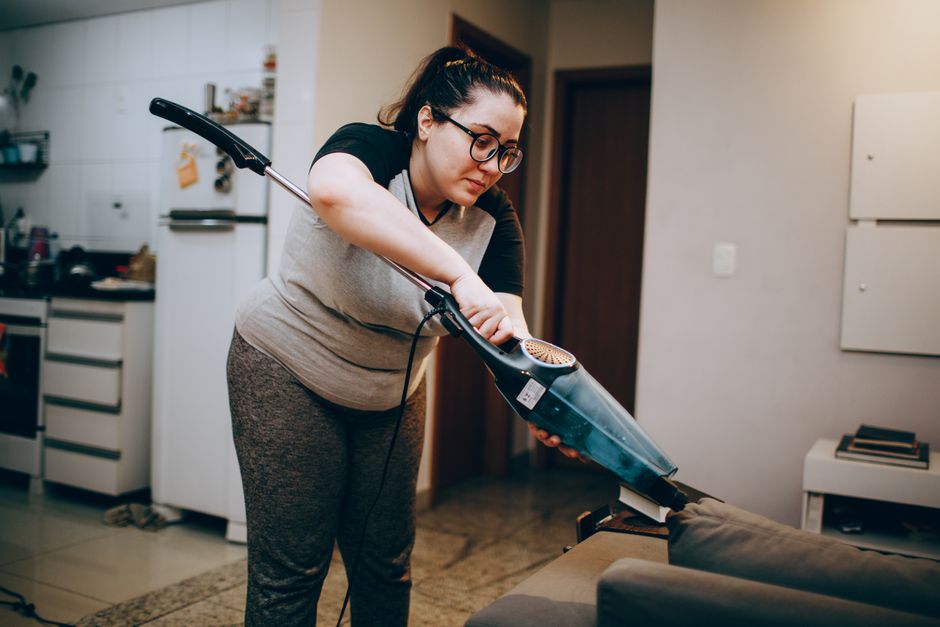
Common mistakes to avoid
This is where most apartment cleaning problems in Hammersmith begin. Not in the dirt itself, but in the approach.
- Cleaning too late: leaving everything until the day before a viewing or move-out creates pressure and missed spots.
- Using the wrong products: strong chemicals on delicate surfaces can cause damage, dull finishes, or residue.
- Skipping hidden areas: corners, skirting, edges, and under furniture matter more than people think.
- Assuming one clean fits all: a furnished flat, an empty flat, and a post-party flat all need different priorities.
- Ignoring access issues: if cleaners cannot park, reach the property, or enter on time, the schedule slips quickly.
- Not checking what is included: this is especially relevant when comparing quotes or booking a larger cleaning service.
Hidden charges are a real frustration for many households, especially when the quoted price looks fine until add-ons appear. If that is a concern, the article on avoiding hidden cleaning charges in Hammersmith bookings is a helpful companion read.
Another common mistake? Thinking the final wipe-down is the whole job. It is not. The finish is what people see first, but the prep and sequencing are what make the finish possible in the first place.
Tools, resources and recommendations
You do not need a mountain of gear to clean an apartment well. In fact, too many products can slow you down. A sensible, modest kit usually works better.
| Cleaning need | Useful tools | Why it helps |
|---|---|---|
| General dust and surfaces | Microfibre cloths, soft duster | Captures dust instead of moving it around |
| Kitchen grease | Degreaser, non-abrasive pad | Helps on hobs, splashbacks, and cabinet handles |
| Bathroom limescale | Bathroom-safe descaler, cloth, rinse bottle | Targets hard-water marks without harsh scrubbing |
| Floors and carpets | Vacuum, mop, suitable floor cleaner | Keeps compact rooms fresher and reduces residue |
| Soft furnishings | Upholstery attachment, lint roller, fabric-safe cleaner | Improves the feel of the room, not just the look |
For local property owners and renters who need a broader cleaning plan, the services overview can help you think about apartment cleaning as part of a wider maintenance schedule, rather than a one-off panic.
If your apartment has carpet in high-traffic areas, it may be worth exploring carpet cleaning near King Street for a more specific approach to fibre and stain issues. Likewise, if sofas, chairs, or headboards are holding onto dust or odour, local upholstery cleaning guidance can be surprisingly useful.
Practical recommendation: if you are unsure where to start, build your kit around surfaces you touch every day: taps, handles, switches, worktops, and seats. That alone improves the feel of the apartment quite quickly.
Law, compliance, standards and best practice
Apartment cleaning is not usually a heavily regulated activity for the resident, but there are still standards and responsibilities worth respecting. If you are hiring a cleaner, handling a tenancy, or managing a property, best practice matters. It protects people, property, and relationships. Simple, but often overlooked.
In the UK, good cleaning practice normally includes using products safely, following label instructions, ventilating spaces properly, and avoiding damage to surfaces or furnishings. Where a cleaner is working in a building with shared areas, access rules and building expectations also matter. That can include quiet hours, entry permissions, or lift etiquette. Nothing glamorous. Still important.
For landlords and tenants, written agreements often define what standard is expected at the end of a tenancy, and how cleaning concerns are handled. Reading the fine print may not be thrilling, but it can prevent friction later on. The same applies to service terms, payment terms, and complaints routes. If you want to understand how a local company frames those practical matters, the pages on terms and conditions, payment and security, and insurance and safety are relevant.
There is also a quiet but important distinction between a cleaning standard and a repair issue. Dirt, grease, and limescale are cleaning matters. Broken seals, damaged grout, mould from leaks, and chipped fittings may need maintenance or repair. Mixing those up can create unfair expectations on both sides.
Options, methods and comparison table
Not every apartment needs the same cleaning method. A quick comparison helps clarify the best route.
| Option | Best for | Pros | Limitations |
|---|---|---|---|
| Regular maintenance clean | Busy households, tidy flats, ongoing upkeep | Fast, manageable, keeps standards stable | Won't solve heavy buildup or neglected areas |
| Deep clean | Move-ins, neglected spaces, seasonal resets | Targets hidden dirt and grime | Takes longer and usually costs more |
| End-of-tenancy clean | Tenant handovers, inventory expectations | Focuses on detailed, inspection-ready results | Needs clear scope and careful timing |
| Specialist add-ons | Carpets, upholstery, oven, or stain problems | Improves problem areas without overdoing the whole flat | Works best when combined with general cleaning |
In practice, the best choice is often a blend. A well-kept flat may only need a regular clean with occasional specialist add-ons. A heavily used rental flat near transport routes or busy streets may need deeper attention more often. That is the honest answer, not the neatest one.
For anyone weighing up tenancy work versus routine upkeep, the local guide to end of tenancy cleaning near Hammersmith Broadway is a useful comparison point because it shows how standards change depending on the job.
Case study or real-world example
Here is a realistic example. A tenant in a two-bedroom apartment near Hammersmith Broadway had kept the flat generally tidy, but not deeply cleaned. The kitchen looked fine at first glance, yet the extractor hood, cabinet tops, and oven seals had built up a layer of grease. The bathroom showed fine limescale around taps, and the carpet in the living room had picked up a greyish traffic mark along the main walking route.
At move-out, that combination caused trouble. The flat was "clean enough" in the everyday sense, but not in the inspection sense. The lesson was not that the tenant had failed spectacularly. It was that apartment cleaning standards are rarely based on what looks acceptable from the doorway. They are based on the corners, edges, touch points, and the areas you stop noticing because you walk past them every day.
After a proper deep clean - with extra attention to the kitchen, bathroom, carpet, and soft furnishings - the same flat became much easier to maintain. The tenant also started doing smaller weekly jobs, which stopped the mess from building up again. Not dramatic. Just sensible. And honestly, that is usually how the best results happen.
If you live in one of the riverside flats, there can be extra moisture and fine dust issues because of window use and airflow patterns. The article on cleaning tips for riverside flats in Hammersmith fits that scenario nicely.
Practical checklist
Use this checklist before, during, or after apartment cleaning in Hammersmith.
- Check which rooms need deep cleaning and which only need upkeep.
- Look at kitchens, bathrooms, and hallways first.
- Confirm access, parking, entry codes, and building rules.
- Remove clutter so surfaces and floors can actually be cleaned.
- Make sure the right products are being used for the right surfaces.
- Inspect hidden spots: behind toilets, under sinks, around taps, and inside cupboards.
- Pay attention to carpets, upholstery, and soft furnishings.
- Set a realistic cleaning schedule for the next few weeks.
- Keep written notes if you are dealing with a tenancy or handover.
- Review the finish in natural daylight if possible.
Quick reminder: if one area keeps causing trouble, do not keep blaming the whole flat. Sometimes it is just the oven. Or the shower screen. Or that one corner behind the bin that nobody wants to admit exists.
Get a free quote today and see how much you can save.
Conclusion
The common problems with apartment cleaning in Hammersmith usually come down to a few familiar things: small spaces, awkward access, mixed standards, and too little time. Once you understand those pressures, the rest becomes more manageable. You can plan better, clean more efficiently, and avoid the sort of avoidable problems that turn a simple job into a stressful one.
Whether you are keeping a lived-in flat fresh, preparing for a tenancy change, or dealing with a stubborn problem area, the answer is rarely to scrub harder. It is to clean smarter, in the right order, with realistic expectations. That's the bit people forget.
And if you take one thing from this guide, let it be this: a good apartment clean is not about perfection. It is about control, consistency, and a space that feels decent to live in. That counts for a lot.