Health and Safety Policy for Cleaners W6
 A strong health and safety policy for cleaners W6 helps create a safer, more reliable working environment for every cleaning assignment. Whether duties take place in offices, homes, shared buildings, or commercial premises, the goal is the same: reduce risk, prevent accidents, and support safe working habits. A clear policy should be practical, easy to follow, and based on everyday cleaning tasks rather than complicated procedures. It should help cleaners understand hazards, use equipment correctly, and protect both themselves and others.
Good cleaning practices begin with awareness. Cleaners often work with chemicals, electrical equipment, wet floors, sharp objects, and awkward spaces, so it is important to identify possible dangers before work starts. A well-written policy should explain how to assess risk, choose suitable personal protective equipment, and maintain safe standards throughout the job. Careful preparation is a simple but effective way to reduce injury and maintain consistency.
 The policy should also set out responsibilities. Supervisors, managers, and cleaners all have a role in keeping work safe. Managers should provide suitable training, safe tools, and clear instructions, while cleaners should follow procedures, report hazards, and use equipment properly. When everyone understands their role, the workplace becomes more organized and safer for routine cleaning tasks.
Core Safety Principles
A reliable cleaners W6 health and safety policy must cover the main principles that guide daily work. These include preventing slips and trips, avoiding unnecessary manual handling, and handling cleaning agents with care. Floors should be marked when wet, walkways should stay clear, and objects should be moved only when needed. If a task appears unsafe, it should be paused until the hazard has been reduced or removed.
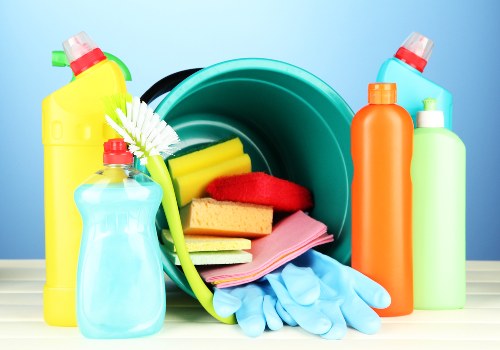
Cleaning products need special attention. Each product should be used exactly as instructed, with correct dilution, storage, and labeling. Containers must never be mixed unless the product instructions allow it. Protective gloves, aprons, or eye protection may be necessary depending on the task. In addition, cleaners should be trained to recognize warning symbols and understand the importance of ventilation when using stronger substances. Safe chemical handling is essential to avoid burns, irritation, or breathing problems.
 Equipment safety is another vital part of the policy. Mops, vacuums, polishers, ladders, and extension leads should be checked regularly and used in good condition. Faulty tools should be removed from service immediately. If electrical equipment is involved, cleaners should avoid overloading sockets, keeping cables tidy, and using damaged plugs. Regular inspection helps prevent avoidable accidents and supports efficient work.
Workplace Practices and Risk Control
Every cleaning health and safety policy should explain how to work safely in different settings. For example, when cleaning busy areas, cleaners may need warning signs, secure storage for supplies, or permission before entering sensitive spaces. In some locations, noise, fragile surfaces, or confidential materials may require extra care. The policy should encourage workers to adapt safely to the environment without taking shortcuts.
Manual handling is a common concern. Lifting bins, moving furniture, carrying supplies, and reaching high areas can all place strain on the body. Cleaners should use proper lifting methods, avoid carrying loads that are too heavy, and ask for help when needed. Where possible, equipment should be stored close to the work area to reduce repeated lifting. Simple adjustments like these help lower the risk of back strain and muscle injury.
Another important section should address slips, trips, and falls. These incidents are among the most common in cleaning work, yet many can be prevented. Floors should be kept as dry as possible, barriers should be used around wet areas, and clutter should be cleared away before work begins. 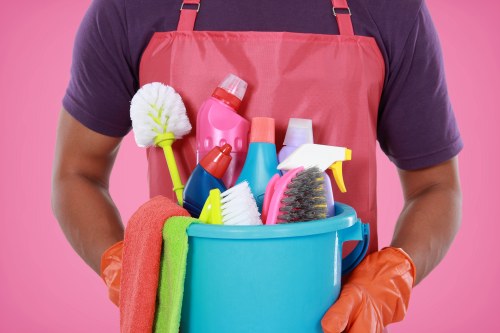 Good lighting also matters, especially in stairwells, corridors, and storage areas. A tidy workspace is not only more efficient, it is also much safer.
Training, Reporting, and Emergency Response
Training should be included in every health and safety policy for cleaners. Workers need to understand safe cleaning methods, chemical handling, emergency procedures, and the correct use of equipment. Refresher training is helpful when products change or new tasks are introduced. Clear instruction supports confidence and reduces mistakes, especially for new or temporary workers.
Reporting is equally important. Any accident, near miss, damaged tool, or unsafe condition should be reported as soon as possible. This allows action to be taken before a minor issue becomes a serious one. A good policy should encourage open reporting without blame, so people feel comfortable raising concerns. Records can also help identify patterns and improve future safety planning.
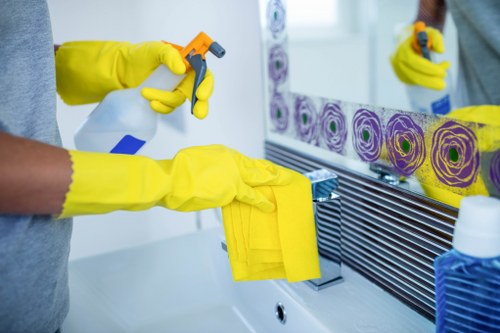 The emergency section should explain what to do in case of spills, injuries, fire alarms, or exposure to harmful substances. Cleaners should know how to stop work safely, isolate hazards where possible, and get help quickly. First aid arrangements, evacuation procedures, and incident reporting steps should all be easy to understand. A calm, prepared response can make a major difference during an unexpected event.
Review and Continuous Improvement
A cleaner health and safety policy should not remain static. It needs regular review to stay relevant to equipment, products, and working conditions. Updates may be needed after an incident, a change in process, or the introduction of new machinery. Reviewing the policy ensures that safety measures remain practical and effective over time.
It is also helpful to build a culture of prevention. Cleaners who are encouraged to speak up, follow procedures, and take pride in safe work are more likely to avoid accidents and maintain high standards. Clear rules, proper supervision, and consistent practice all support this culture. When safety is treated as part of the job rather than an extra task, results improve for everyone.
Ultimately, a well-structured health and safety policy for cleaning staff protects people, property, and productivity. It reduces avoidable harm, supports professional standards, and creates confidence in the workplace. By focusing on practical controls, training, and communication, cleaning teams can carry out their duties safely and effectively every day.