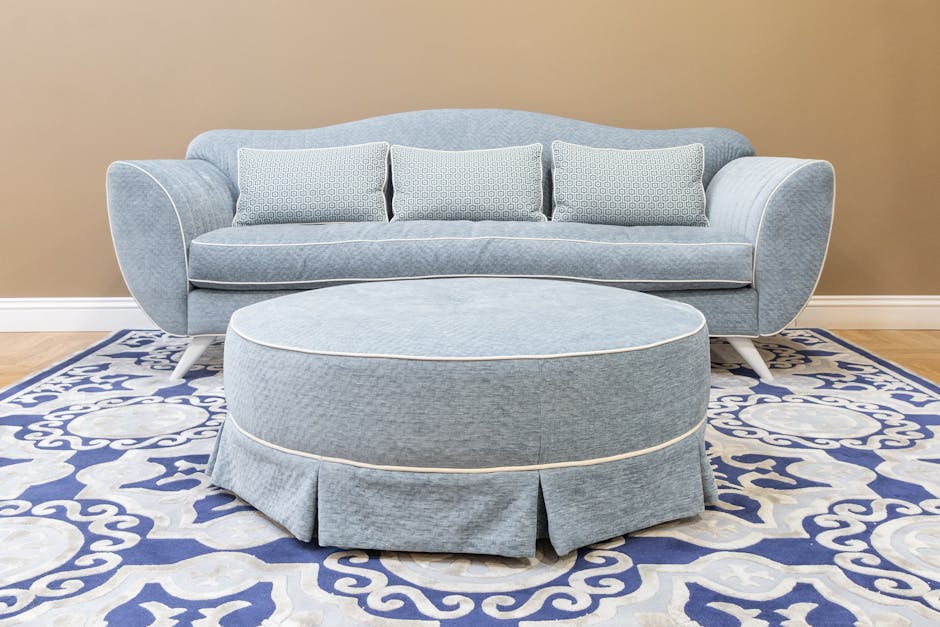
Ravenscourt Park upholstery cleaning for local homes W6
Posted on 22/06/2026
If your sofa has started to look a little tired, the armchair by the window has picked up everyday marks, or the dining chairs have absorbed one too many cups of tea, you are not alone. Ravenscourt Park upholstery cleaning for local homes W6 is one of those jobs that quietly makes a huge difference to how a home feels. Fresh upholstery changes the room instantly: cleaner, lighter, less "lived-in chaos", more comfortable again.
In a busy part of West London, furniture takes a beating. Shoes come off late, pets curl up on the best spot, children climb on and off the sofa, and the general pace of daily life leaves its mark. This guide explains how local upholstery cleaning works, when it is worth booking, what to expect from a proper service, and how to avoid the usual mistakes that can shorten the life of your fabric or leather furnishings.
We will also cover practical best practices, local-home considerations, and a few honest pointers from real-world cleaning work. Nothing overblown. Just useful advice you can actually use.
Why Ravenscourt Park upholstery cleaning for local homes W6 Matters
Upholstery is easy to overlook because it is part of the background. You use the sofa every day, but you do not always notice the slow build-up of dust, body oils, food marks, pet hair, pollen, and general grime. Then one afternoon the light hits it just right and, well, there it is. The fabric looks dull. The cushions have lost their freshness. Maybe there is a smell that used to be subtle and is now very much not subtle.
That is where professional upholstery cleaning earns its keep. For homes near Ravenscourt Park, the aim is not only to improve appearance. It is also about maintaining the fabric, reducing allergens, and helping furniture last longer before replacement becomes unavoidable. That matters in local homes where furniture often works hard in compact living spaces, family rooms, and open-plan areas.
There is also a practical side that people sometimes forget: upholstery holds onto airborne particles and everyday residue in a way that vacuuming alone cannot fully address. A careful clean can help restore a fresher feel to the room, which is especially welcome if you keep windows closed for part of the year or if the home sees a lot of foot traffic. It is a small change with a surprisingly big payoff.
If you are already thinking about wider home care, it may help to look at related local services such as house cleaning in W6 or domestic cleaning in Hammersmith. Upholstery rarely gets dirty on its own; it is usually part of the bigger picture of how a home is used and maintained.
How Ravenscourt Park upholstery cleaning for local homes W6 Works
A proper upholstery clean starts with identifying the fabric. That sounds obvious, but it matters a lot. Cotton, wool blends, synthetic fibres, velvet, linen, and leather all respond differently to moisture, heat, agitation, and cleaning solutions. A responsible cleaner will not rush this part. They will check care labels where possible, test a small hidden area, and choose a method that suits the material rather than forcing one approach on everything.
In most homes, the process usually follows a familiar pattern:
- Inspection. The cleaner checks fabric type, stains, wear, and any weak seams or trim.
- Dry soil removal. Dust, crumbs, pet hair, and loose debris are removed with vacuuming and careful brushing.
- Pre-treatment. Problem areas such as food marks, drink spills, or body-oil build-up may be treated with an appropriate solution.
- Deep cleaning. Depending on the fabric, this may involve hot water extraction, low-moisture cleaning, foam cleaning, or specialist hand methods.
- Rinsing and residue control. The aim is to remove loosened dirt without leaving sticky residue behind.
- Drying and finishing. Cushions are re-shaped, the fabric is checked, and drying advice is given.
Not every sofa needs the same method. A robust synthetic sofa in a family room may tolerate one technique; a delicate upholstered chair in a period home near the park may need something gentler. Truth be told, the best cleaning jobs often look quite unspectacular while they are happening. That is usually a good sign. Less drama, better results.
For households that want a broader service mix, the company's services overview is a useful place to understand how upholstery care fits alongside other home cleaning work. If you are comparing upholstery with floor care, the details in carpet cleaning W6 may also help you judge what should be done first.
Key Benefits and Practical Advantages
The obvious benefit is a cleaner-looking sofa or chair. But there is more to it than that. Here is what homeowners usually notice after a well-done clean.
- Better appearance. Colours look brighter, fabric looks less flat, and the whole room feels fresher.
- Less lingering odour. Everyday smells from cooking, pets, and general use can sit in fabrics for ages.
- Improved comfort. Clean upholstery simply feels nicer to sit on. It sounds simple because it is.
- Longer furniture life. Dirt particles can act a bit like fine grit over time, so regular cleaning helps reduce wear.
- Better hygiene. Removing built-up soil, dust, and residues supports a healthier home environment.
- Better preparation for guests or moving. Useful before family visits, selling, or a tenancy handover.
There is also a hidden benefit: a clean sofa tends to make the whole room look better, even if nothing else has changed. You might not have painted the walls or bought anything new, but suddenly the place feels more put together. Small win, yes, but a real one.
For local homes that get a lot of day-to-day use, this can be especially noticeable near busy routes or family-friendly stretches where shoes, damp coats, and outdoor life come indoors more often than you would like. A bit of maintenance now saves a lot of frustration later.
Who This Is For and When It Makes Sense
Ravenscourt Park upholstery cleaning for local homes W6 is a good fit for quite a few households, not just one type of property. You might need it if any of the following sound familiar:
- You have a sofa, armchair, ottoman, or dining chair that looks dull or marked.
- There are children or pets in the home, and fabric wear is building up faster than expected.
- Someone in the household has allergies and you want to reduce dust build-up where possible.
- You are preparing for guests, photos, a sale, or a tenancy changeover.
- You have spilled drinks, food, or makeup and the marks have not come out with home cleaning.
- You own a quality piece of furniture and want to keep it in use for longer.
It also makes sense if you notice a change in smell before you notice a stain. Upholstery can hold onto odours quietly for months. Then one warm day arrives, the heating goes on, and the room gives the game away. Not ideal, but fixable.
Some homes only need a yearly refresh. Others benefit from more regular care, especially if the furniture is central to family life. The right timing depends on use, not just on the calendar.
Step-by-Step Guidance
If you want the best result from upholstery cleaning, the preparation matters almost as much as the cleaning itself. Here is a sensible step-by-step approach for homeowners.
- Identify the furniture and fabric. Check labels, look for wear, and note any previous cleaning history.
- Spot the problem areas. Be honest with yourself. Is it a general freshness issue, or is there one stubborn stain causing the stress?
- Vacuum thoroughly first. Loose soil should come out before any wet cleaning starts.
- Clear the area. Remove cushions, throws, small tables, and anything that gets in the way.
- Raise concerns early. Mention delicate dyes, pet accidents, old stains, or fabric damage before the cleaner begins.
- Choose the right method. Ask for a cleaning approach suited to the material rather than a one-size-fits-all promise.
- Allow proper drying time. Don't rush to sit on it immediately unless advised it is ready.
- Keep it maintained. Vacuum regularly and treat spills promptly before they settle in.
A useful habit is to think of upholstery cleaning in the same way as carpet care: not as a rescue mission, but as maintenance. Once you shift your mindset there, the whole job feels less overwhelming. And frankly, less random too.
If you are building a fuller home-care routine, pairing upholstery work with regular house cleaning in W6 often makes sense. Clean floors, clean soft furnishings, cleaner air movement through the room. It all works together.
Expert Tips for Better Results
These are the things that make a noticeable difference, and they are often the difference between "looks okay" and "actually, that's brilliant".
- Test before treating. Even mild solutions can affect dye or texture if used carelessly.
- Don't soak delicate fabrics. Too much moisture can cause water marks, shrinkage, or a long drying time.
- Work from the outside of a stain inward. This helps prevent spreading.
- Use the right drying conditions. Good airflow matters more than people think.
- Vacuum weekly. It sounds dull, but it genuinely helps prolong the clean look.
- Keep food and drinks to one side. The "just for today" snack-on-the-sofa rule has a funny way of becoming permanent.
Another small but important tip: if you have a mixed-fabric suite, treat each item separately. A velvet accent chair and a synthetic family sofa are not interchangeable. They just are not. The cleaning plan should reflect that.
For clients who want added confidence around service standards, it is worth reviewing the company's insurance and safety page and its health and safety policy. Good cleaning is not only about results; it is also about working carefully and responsibly in someone's home.
Common Mistakes to Avoid
A lot of upholstery damage happens because somebody meant well. That is the awkward truth. Here are the most common slip-ups.
- Using too much water. This can leave marks, extend drying times, or push dirt deeper.
- Scrubbing hard. Aggressive rubbing can distort fibres and make the stain look worse.
- Applying a random household cleaner. Some products are not suitable for upholstery and can cause permanent issues.
- Ignoring the care label. It is there for a reason, even if it is tiny and a bit annoying to find.
- Trying to remove old stains without a plan. Older marks often need staged treatment, not one heroic wipe.
- Not allowing full drying. Sitting on damp upholstery can flatten fibres and bring back odours.
The other mistake is waiting too long. Once a spill has had months to settle, the odds of a neat removal go down. Not impossible, just harder. If you catch problems early, cleaning usually works better and costs less in the long run.
Tools, Resources and Recommendations
Homeowners do not need a warehouse of equipment, but a few sensible tools help keep upholstery in better shape between professional visits.
| Tool or item | Why it helps | Best use |
|---|---|---|
| Upholstery attachment vacuum | Removes dust and crumbs without rough handling | Weekly maintenance |
| Soft brush | Lifts surface debris from textured fabric | Before vacuuming or spot treatment |
| Clean white cloths | Useful for blotting spills without dye transfer | Immediate spill response |
| Fabric-safe spot treatment | Helps with small marks when used correctly | Light stains only, with caution |
| Fans or open windows | Supports faster drying and fresher results | After a professional clean |
For homeowners comparing service types, the upholstery cleaning in Hammersmith page is a sensible next read because it helps you see how upholstery care is usually offered across the local area. If you are curious about the business side of the company, about us gives you a better sense of who is behind the service.
And if you want a wider look at what the company offers across home and property cleaning, the blog archive can be useful too: latest local articles. Not because you need to read everything, but because a good service is usually part of a broader practical approach to home care.
Law, Compliance, Standards, or Best Practice
For upholstery cleaning in private homes, there is usually no complicated legal process for the homeowner. Still, a professional cleaner should work in line with sensible UK best practice. That means using suitable products, respecting fabric care instructions, handling equipment safely, and avoiding unnecessary risk to people or property.
There are a few areas where standards matter even if they are not front-page topics:
- Safety at home. Equipment should be used carefully around electrical points, furniture legs, and fragile items.
- Material awareness. Leather, wool, viscose blends, velvet, and synthetic fabric all need different handling.
- Honest expectations. Not every stain can be removed completely, especially if it has aged or chemically altered the fabric.
- Clear terms. It helps when service conditions, payment, and limitations are explained plainly before work begins.
That last point matters more than people think. A trustworthy cleaner will be clear about what can be done, what might improve, and what may only partly lift. No fairy tales, no vague promises. Just straightforward service.
If you value those basics, it can also be useful to review the company's terms and conditions, payment and security, and privacy policy. These pages are not glamorous, granted, but they show how a business handles the less visible parts of service.
Options, Methods, or Comparison Table
Different upholstery jobs call for different methods. There is no single "best" option for every sofa. The right choice depends on the fabric, the age of the furniture, and the type of soiling.
| Method | Best for | Pros | Watch-outs |
|---|---|---|---|
| Hot water extraction | Many synthetic fabrics and durable upholstery | Deep soil removal, strong refresh | Not ideal for every delicate material |
| Low-moisture cleaning | Sofas that need faster drying or gentler handling | Quicker turnaround, less water use | May be less suited to heavy soiling |
| Foam or encapsulation-style treatment | Routine maintenance and surface refresh | Useful for lighter cleaning needs | Not always enough for embedded grime |
| Hand cleaning / specialist fabric care | Delicate materials, trims, or older furniture | More controlled and careful | Slower and more labour-intensive |
| Leather cleaning and conditioning | Leather sofas and chairs | Helps maintain appearance and flexibility | Needs proper products, not generic cleaners |
One practical takeaway: if your furniture is valuable, old, or made from a tricky fabric, gentleness usually beats intensity. People often think the strongest clean is the best clean. Not always. Sometimes the safest approach is the smartest one.
Case Study or Real-World Example
Here is a very typical local scenario. A family in a W6 home had a three-seater sofa in the main living room. It was not visibly ruined, but the pale fabric had a grey cast in the seating area, one armrest looked darker from repeated use, and there was a faint smell from pets settling in during damp weather. Nothing dramatic. Just enough to be annoying every time they sat down.
The clean started with a careful inspection and dry vacuuming. The darker traffic areas were pre-treated, the fabric was cleaned with a method suited to the upholstery type, and the cushions were reshaped afterwards. The family did not expect miracles. Fair enough. But the room felt brighter, the sofa looked more even in colour, and the pet smell had lifted enough that the whole space felt fresh again.
The important part was not perfection. It was improvement that made daily life nicer. That is usually the real goal with upholstery cleaning. You are not buying a museum restoration. You are making the home easier to enjoy.
For homes with mixed needs, the cleaner may also suggest pairing the job with broader domestic care, or combining it with related floor work such as carpet cleaning W6 so the room comes back together as a whole rather than in bits and pieces.
Practical Checklist
Use this quick checklist before you book or begin any upholstery clean.
- Check the fabric type and care label if available.
- Note the main issue: stains, odour, dullness, pet hair, or general wear.
- Take photos of problem areas if you want to track improvement.
- Move small items away from the cleaning area.
- Raise any allergies, delicate materials, or previous damage in advance.
- Ask what cleaning method is most suitable for your furniture.
- Confirm expected drying time before you make plans for the room.
- Keep pets and children away from damp upholstery until it is ready.
- Vacuum regularly after the clean to preserve the result.
- Set a realistic maintenance schedule rather than waiting for obvious grime.
If you want a broader view of service standards and what to expect across the company's work, the services overview is worth a look. It helps put upholstery cleaning into context with other household cleaning options.
Get a free quote today and see how much you can save.
Conclusion
Ravenscourt Park upholstery cleaning for local homes W6 is one of those practical jobs that quietly improves everyday life. It freshens a room, helps furniture last longer, and removes the slow build-up that vacuuming alone cannot always touch. For busy households, that is a meaningful win.
The best results usually come from matching the method to the fabric, preparing the furniture properly, and keeping expectations grounded. No hype. No magic. Just careful work, the right technique, and a bit of common sense. If your sofa or chairs have been looking a little too "well used" lately, that is often the right moment to act rather than wait for the next spill to make the decision for you.
And honestly, once the room feels clean again, you notice it every time you walk past. That is the nice part. Quietly satisfying, which is probably the most British kind of home improvement there is.